
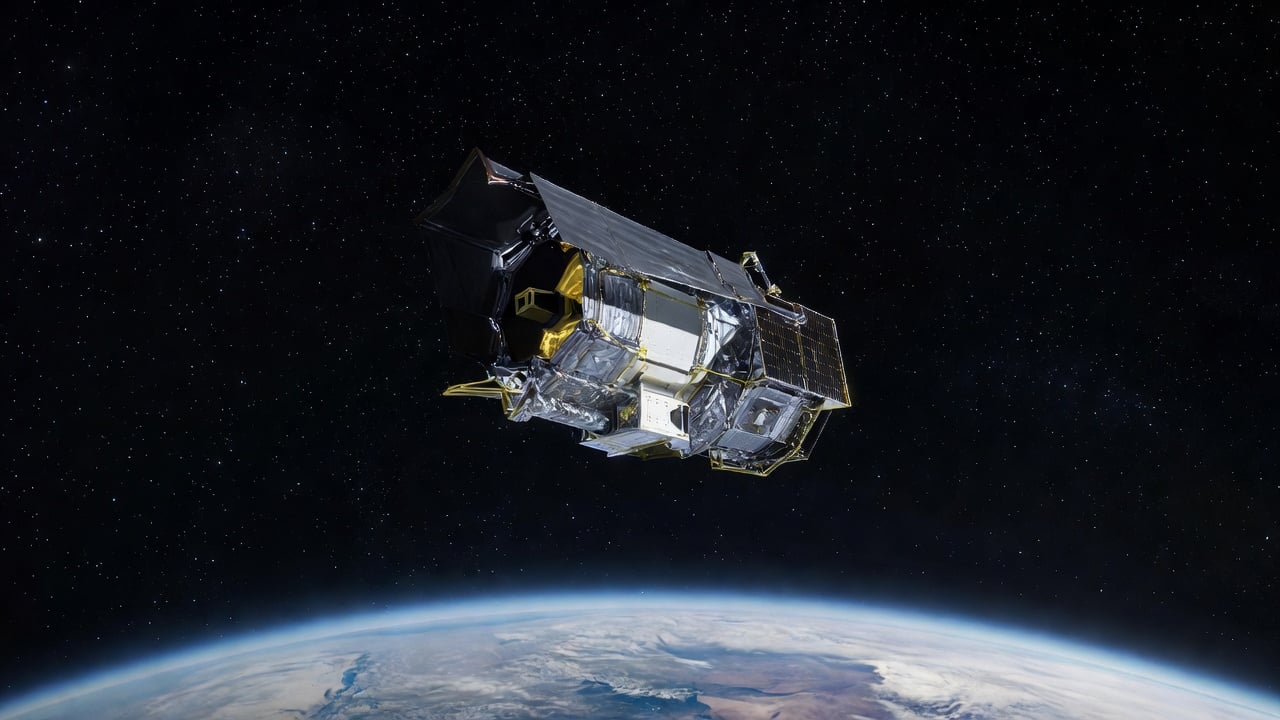
The Nancy Grace Roman Space Telescope launches early and under budget. This innovative observatory will explore the universe's origins, makeup and evolution, offering fresh hope for solving astronomy's greatest puzzles through wide-scale cosmic surveys.
The Nancy Grace Roman Space Telescope stands ready for launch from Florida in late August, eight months ahead of schedule and under budget. Named after NASA's pioneering first chief of astronomy, it will investigate how the universe began, what it contains and how it has changed over time. This rare success highlights efficient progress in space exploration, promising valuable data for scientists worldwide.
Unlike focused telescopes such as James Webb, Roman surveys vast sky areas with its wide field instrument, detecting infrared light 100 times broader than Hubble's yet equally sharp. It can map the cosmos 1,000 times faster, spotting billions of galaxies and stars. The coronagraph blocks starlight to reveal faint planets and dust disks, testing new ways to study distant worlds directly.
Roman's scale and precision will track dark matter's role in galaxy formation across cosmic history, shedding light on the universe's mysterious components that make up most of reality. This mission fosters optimism by expanding human knowledge and inspiring future generations to pursue discovery and understanding of our shared cosmos.
 1527.512 SRY