
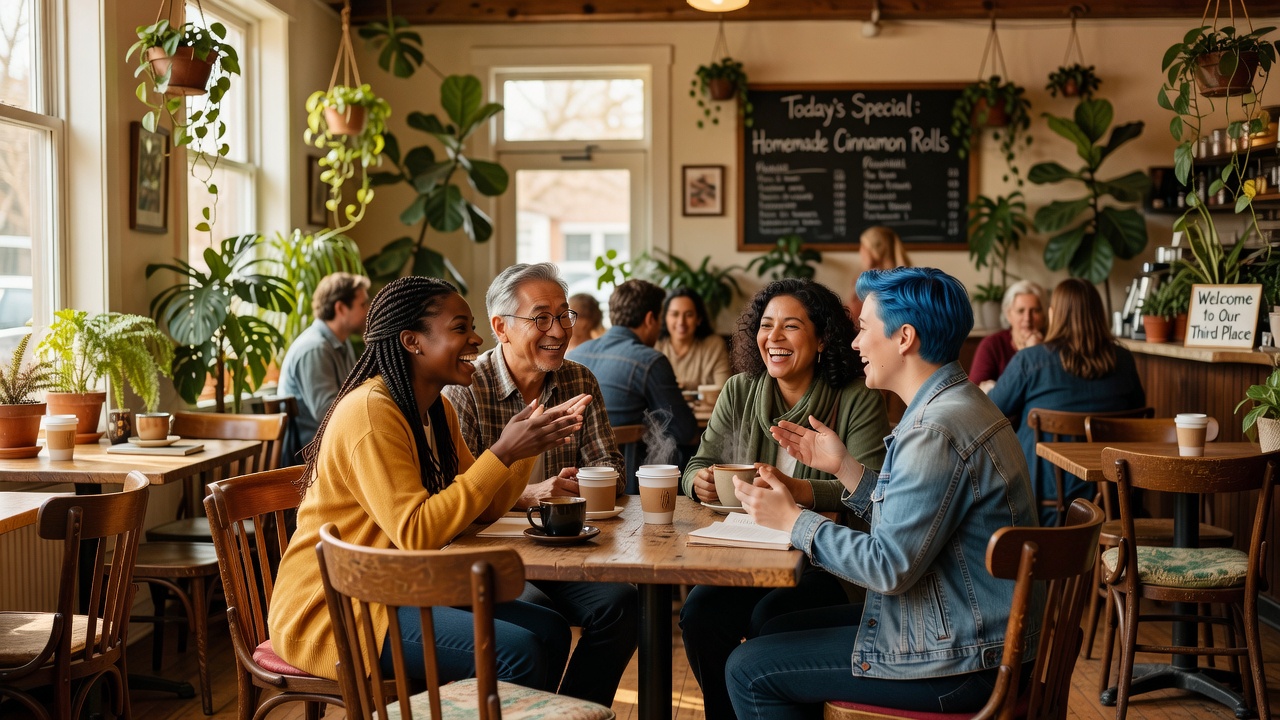
Many people feel a quiet loss in modern life. It is the disappearance of third spaces. These are places for social connection outside home and work. New research shows this affects brain health in serious ways. The trend needs urgent attention.
Third spaces are the informal spots where people meet and connect. They sit between home and work, like cafes, parks, or community halls. A recent academic paper caught attention by noting how these places are quietly vanishing from daily routines. Without them, many feel isolated without knowing why. The idea is simple yet powerful. These areas once gave natural chances for conversation and belonging.
The paper went beyond sociology and looked at the brain itself. It linked the loss of third spaces to poorer neurological health. People miss out on regular social sparks that keep minds sharp and calm. Isolation grows when such spots disappear. Modern life pushes everyone toward screens or private bubbles. This shift harms mental balance in ways that add up over time.
Reclaiming third spaces starts with small steps in local areas. Communities can support shared spots that welcome all ages. Simple efforts like group events or open venues make a difference. Bringing back these places helps restore connection and supports healthier brains for everyone involved.
Original Author: Mollie Engelhart | Source: Brownstone Institute

 223.355 SRY