
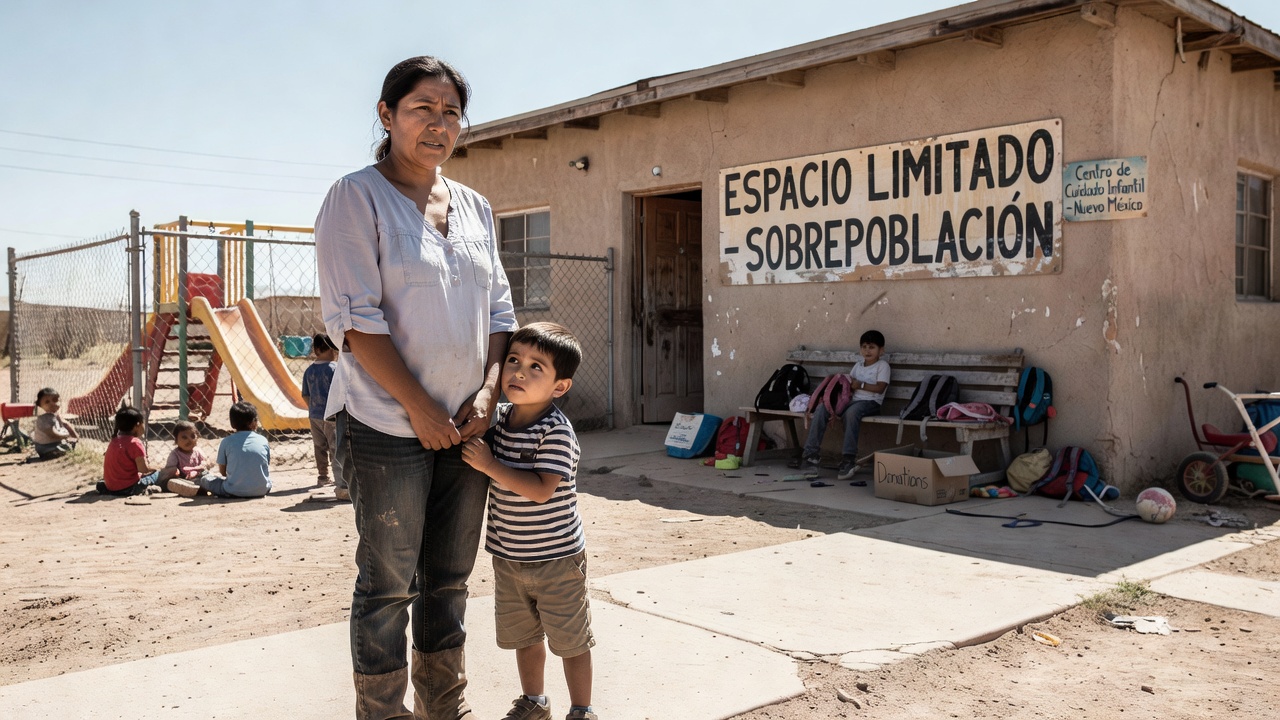
New Mexico introduced the nation's first universal free childcare program in November. While media celebrated the move, rising costs and challenges are emerging. Other states considering similar plans should examine the full picture carefully before proceeding.
The announcement last November made headlines across the country. New Mexico became the first state to offer universal childcare at no cost to families. National outlets covered the story with excitement because it seemed like a big step forward for working parents. The idea was to make childcare accessible to everyone regardless of income. This move was seen as progressive and could set an example for other states to follow.
Yet the reality has proven more difficult than expected. The program requires significant funding from state resources, leading to higher taxes for residents. Early data shows expenses are higher than planned, and some services have been cut to manage the budget. Parents report mixed results with availability and quality of care. Many centers are understaffed, and the overall system faces growing pains that were not anticipated.
States thinking about similar programs need to look closely at these outcomes. They should consider the long term costs and how to maintain quality without straining public funds. New Mexico's experience offers valuable lessons on the challenges of implementing large scale social programs. Careful review can help avoid costly mistakes and ensure better support for families in the future.
Original Author: Paul Gessing | Source: FEE

 612.241 SRY